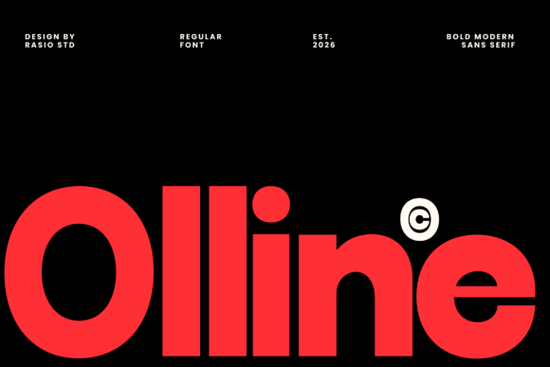
If you're working on a branding project, poster, or digital ad that needs to grab attention without sacrificing clarity, the Olline Font might be exactly what your design is missing. This bold modern sans serif combines geometric precision with clean curves, giving it a confident presence that works just as well in print as it does on screen. Whether you’re a small business owner creating packaging, a designer building a tech startup’s identity, or a crafter experimenting with typography on merchandise, Olline delivers strong visual impact without feeling cluttered.
What makes Olline stand out among modern sans serifs?
Olline isn’t just another thick-letter font it’s built with intentional geometry. Its uppercase and lowercase letters share consistent stroke weights and subtle rounded terminals that soften its boldness just enough to keep it readable. That balance is rare: many heavy sans serifs lose legibility at smaller sizes or in dense layouts, but Olline maintains clarity even when used for short paragraphs or subheadings.
It includes a full set of numerals, punctuation, and language support that covers most Western European languages, making it practical for real-world use not just eye-catching mockups. You’ll find it especially useful for:
- Corporate or startup logos
- Editorial headlines and magazine spreads
- Product packaging with a minimalist aesthetic
- Website headers and landing page banners
- Social media graphics and digital ads
If you like Olline’s structured confidence but want something with more industrial edge, you might also consider checking out the Battle Army Stencil Font, which offers a rugged alternative within the same sans serif family.
How does Olline perform across different mediums?
One of the biggest concerns with bold fonts is versatility will it look good printed on a tote bag and also scale cleanly on a mobile screen? Olline handles both scenarios well. Its minimal structure avoids overly tight counters or extreme weight contrasts, so it doesn’t fill in or blur when printed at small sizes. On digital displays, the generous letterforms remain crisp even on lower-resolution screens.
For print-on-demand sellers, this reliability matters. You don’t want your coffee mug design looking muddy because the font couldn’t hold up under production constraints. Similarly, web designers appreciate that Olline doesn’t require excessive tracking adjustments to breathe it’s designed with spacing in mind from the start.
Is Olline right for your brand voice?
Olline speaks with quiet authority. It’s not playful or retro; it’s forward-looking, efficient, and polished. If your brand values simplicity, innovation, or professionalism think SaaS companies, architecture firms, modern skincare lines, or editorial platforms this font aligns naturally with that tone.
That said, it’s not ideal for brands aiming for warmth, whimsy, or handcrafted charm. In those cases, a script or softer serif might serve you better. But if you’re after a typeface that says “we mean business” without shouting, Olline strikes that balance.
You can explore the full character set and licensing details directly on Creative Fabrica by searching for Olline Font. The platform also features similar options like the Olline listing itself, where you can preview it in context and see user projects for inspiration.
Tips for using Olline effectively
Because of its weight, Olline works best in short bursts headlines, logos, hero sections not body text. Pair it with a lightweight, neutral sans serif (like Inter or Lato) for contrast and readability in longer content. Also, avoid using it at very small sizes (below 12pt in print or 16px on web) unless you’ve tested legibility first.
When using it for branding, stick to one or two weights if available (though Olline is typically a single bold style). Overusing variations can dilute its clean impact. And always leave ample negative space around it this font thrives when given room to stand out.
Before you download Olline, ask yourself:
- Does my project need a bold, modern statement?
- Will the font be used primarily for headlines or display purposes?
- Do I have enough contrast between Olline and my supporting typefaces?
- Have I checked how it renders in my final output format (print, web, embroidery, etc.)?
If you answered “yes” to most of these, Olline is likely a smart addition to your toolkit and a reliable choice for projects that demand clarity with character.
Get Started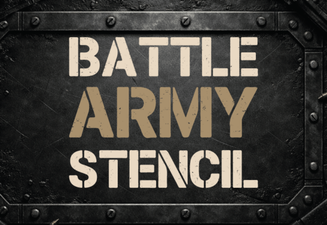 Military Stencil Fonts for Bold Graphic Design Projects
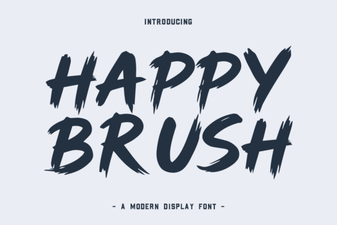 Happy Brush Font for Creative Design Projects
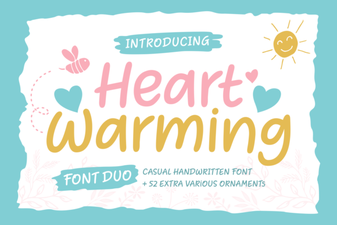 Expressive & Inviting Heartwarming Fonts for Your Designs
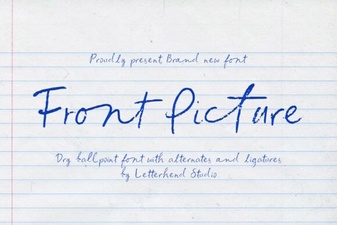 Crafting Impactful Titles with Front Picture Fonts
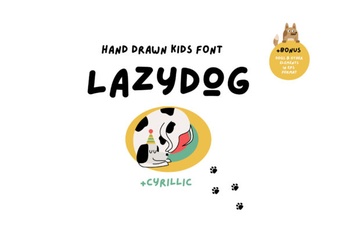 Lazydog Font: a Versatile Design Asset for Creatives
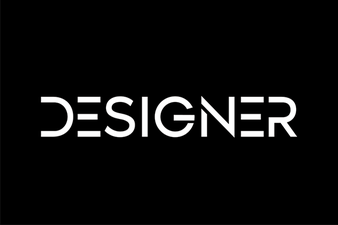 Elevate Your Projects with Premium Designer Fonts